
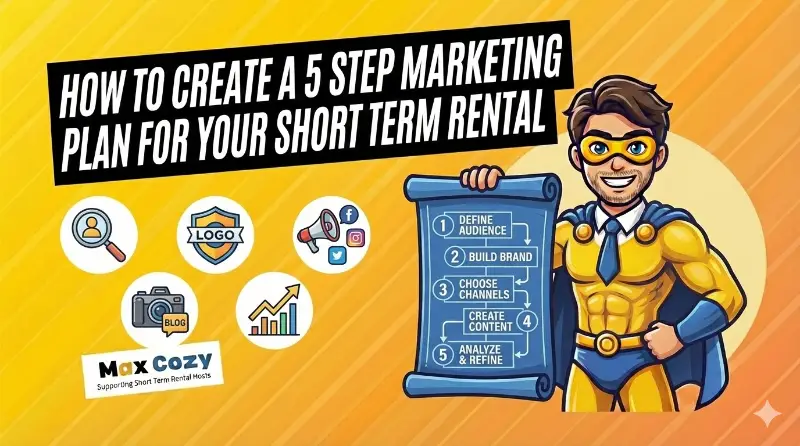
Before creating a marketing plan for your holiday let, it is crucial to have a deep understanding of the market. This involves researching the demand for holiday accommodation in your area, identifying your target audience, and understanding the preferences and needs of potential guests. For instance, if your holiday let is located in a coastal area, you may find that families and beach enthusiasts are your primary target market.
Understanding the market also involves researching your competition to identify what sets your holiday let apart and how you can position it uniquely in the market. Furthermore, understanding the market also entails being aware of seasonal trends and peak booking periods. For example, if your holiday let is in a ski resort, you may experience higher demand during the winter months.
By understanding these market dynamics, you can tailor your marketing efforts to capitalize on peak periods and adjust your strategies during off-peak times.
Summary
- Understand the market for your holiday let by researching the local area, target audience, and competition.
- Develop a strategic marketing plan by setting clear goals, identifying your unique selling points, and choosing the right marketing channels.
- Maximise your holiday let’s rental potential by highlighting its key features, offering attractive amenities, and providing excellent customer service.
- Utilise short-term rental platforms such as Airbnb and Booking.com to reach a wider audience and increase bookings.
- Create compelling marketing content by using high-quality photos, writing engaging property descriptions, and showcasing positive guest reviews.
Developing a Strategic Marketing Plan
Once you have a comprehensive understanding of the market, the next step is to develop a strategic marketing plan for your holiday let. This plan should outline your marketing objectives, target audience, key selling points, and the channels and tactics you will use to reach potential guests. It should also include a budget allocation for marketing activities and a timeline for implementation.
A strategic marketing plan should also consider the unique selling points of your holiday let. Whether it’s the stunning views from the property, its proximity to popular attractions, or its luxurious amenities, highlighting these unique features will help differentiate your holiday let from others in the market. Additionally, the plan should outline how you will leverage digital marketing, social media, and other online platforms to reach and engage with potential guests.
Maximizing Your Holiday Let’s Rental Potential
Maximizing the rental potential of your holiday let involves more than just marketing; it also encompasses aspects such as property maintenance, guest experience, and pricing strategies. Ensuring that your holiday let is well-maintained and equipped with essential amenities will contribute to positive guest experiences and reviews, ultimately leading to repeat bookings and referrals. In addition, understanding the peak booking periods and adjusting your pricing accordingly can significantly impact your rental potential.
Offering competitive rates during off-peak seasons or introducing special promotions can attract more guests and increase occupancy rates. Moreover, providing flexible booking options, such as weekend getaways or extended stay discounts, can further enhance the rental potential of your holiday let.
Utilizing Short-Term Rental Platforms
| Platform | Number of Listings | Average Daily Rate | Occupancy Rate |
|---|---|---|---|
| Airbnb | 10,000 | £100 | 75% |
| Booking.com | 8,000 | £90 | 80% |
| HomeAway | 5,000 | £110 | 70% |
In today’s digital age, short-term rental platforms have become instrumental in reaching a global audience of travellers seeking holiday accommodation. Platforms such as Airbnb, HomeAway, and Booking.com provide an opportunity to showcase your holiday let to a vast network of potential guests. Utilizing these platforms allows you to create compelling listings with high-quality images, detailed descriptions, and guest reviews to attract and reassure potential guests.
Furthermore, short-term rental platforms offer tools and features to manage bookings, communicate with guests, and set pricing strategies. Leveraging these platforms’ capabilities can streamline the rental process and help you reach a wider audience of travellers who are actively searching for holiday accommodation.
Creating Compelling Marketing Content
Creating compelling marketing content is essential for capturing the attention of potential guests and persuading them to choose your holiday let over others. This content can include professional photography that showcases the property’s unique features, virtual tours that provide an immersive experience, and engaging descriptions that highlight the benefits of staying at your holiday let. Moreover, leveraging user-generated content such as guest reviews and testimonials can build trust and credibility with potential guests.
Sharing positive experiences from previous guests can influence booking decisions and reassure potential guests about the quality of their stay.
Implementing Effective Pricing Strategies
Pricing strategies play a pivotal role in attracting guests and maximizing the revenue potential of your holiday let. It is essential to conduct thorough market research to understand pricing trends in your area and adjust your rates accordingly. Factors such as seasonality, local events, and demand-supply dynamics should be considered when setting pricing for different periods.
Implementing dynamic pricing strategies that account for fluctuations in demand can help optimize occupancy rates and revenue. This may involve adjusting rates based on booking lead times, offering last-minute discounts to fill vacant periods, or implementing tiered pricing for different seasons or special occasions.
Monitoring and Adjusting Your Marketing Plan for Long-Term Success
Creating a marketing plan for your holiday let is not a one-time task; it requires continuous monitoring and adjustment to ensure long-term success. Regularly tracking key performance indicators such as occupancy rates, booking lead times, and guest satisfaction scores can provide valuable insights into the effectiveness of your marketing efforts. Based on these insights, you can make informed adjustments to your marketing plan, such as refining target audience segments, experimenting with new promotional tactics, or enhancing the guest experience based on feedback.
By staying agile and responsive to market dynamics, you can adapt your marketing strategies to maintain a competitive edge and achieve sustained success in the holiday let industry. In conclusion, creating a comprehensive marketing plan for your holiday let involves understanding the market dynamics, developing strategic initiatives, maximizing rental potential, leveraging short-term rental platforms, creating compelling content, implementing effective pricing strategies, and continuously monitoring and adjusting your plan for long-term success. By carefully considering these aspects and tailoring your marketing efforts to meet the evolving needs of travellers, you can effectively promote your holiday let and attract a steady stream of satisfied guests.