
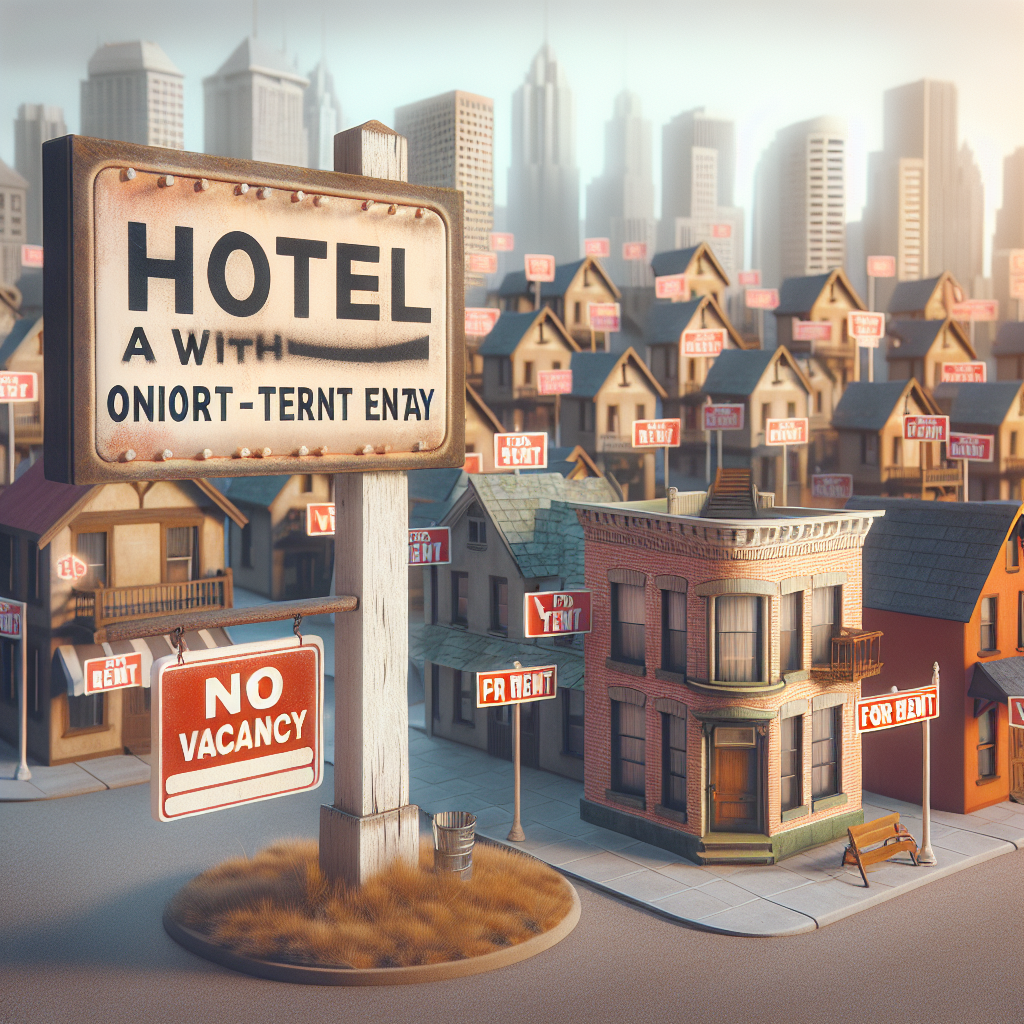
Imagining Travel and Rental Market in a World Without Airbnb
The landscape of travel and accommodation as we know it has been revolutionized since Airbnb was founded in 2008. However, what would the world of short-term rentals be like if this industry giant never existed? Here, we delve into the conceivable shifts in the travel and rental markets in a world devoid of Airbnb.
The Early Days of Short-Term Rentals
Before Airbnb, the short-stay rental market was primarily composed of:
- Traditional hotels
- Motels
- Bed-and-breakfasts
- Vacation rental agencies
Each of these options had its allure, but they were often more expensive and less flexible compared to modern alternatives. Early travelers would spend hours scouring listings from vacation rental agencies or settle for generic hotel experiences, which offered little in terms of personalization and unique local culture.
The Rise of Boutique Hotels
Without the advent of Airbnb, the rise of boutique hotels might have been more pronounced. These establishments offer unique designs, personalized services, and often embody the culture of their locations. They fill the void left by a less diverse range of accommodation options:
- A distinctive style
- Individual themes
- Personalized service
Travelers seeking unique experiences would still have options, though they’d be limited to the creative flair of boutique hotels rather than the rich tapestry of privately-owned homes and apartments that Airbnb offers.
## Increased Dependence on Traditional Platforms
In a world without Airbnb, travelers would likely depend more heavily on traditional online booking platforms such as:
- Booking.com
- Expedia
- TripAdvisor
These platforms would perhaps have expanded their portfolios to include more short-term rentals to meet the growing demand for non-hotel options. However, the diversity and range might still fall short compared to the eclectic mix available on Airbnb.
Local Economies and Property Owners
The economic impact on local communities and property owners would also differ significantly without Airbnb. Here’s how:
Opportunities for Local Hosts
Airbnb has enabled local residents to earn substantial extra income by renting out their properties. Without this platform, such opportunities would be less accessible. Instead, local property owners might turn to smaller, regional rental services or settle for less regular rental schemes.
Impact on Local Economies
Many urban centers that experience significant tourism have felt the economic boost from short-term rentals. These include:
- Increased tourist spending
- Job creation
- Enhanced local services
Without Airbnb, some cities might miss out on these economic benefits, as traditional accommodations typically employ fewer local services and spur less economic activity in surrounding neighborhoods.
Legal and Regulatory Landscape
The existence of Airbnb has also framed new legal and regulatory discussions worldwide. In its absence, regulations for short-term rentals might look very different:
Less Regulatory Pressure
Without the disruptive presence of Airbnb, it’s feasible that regulatory bodies wouldn’t have the same level of pressure to develop new laws for short-term rentals. As a result, homeowners might find it easier to rent out their properties without facing stringent zoning laws or taxation.
Focus on Traditional Enterprises
Governments might place more emphasis on regulating traditional hotels and vacation rental agencies, ensuring that they adhere to quality standards and fair pricing. This could benefit traditional operators but at the cost of limiting options for consumers seeking unique accommodation experiences.
The Traveler’s Experience
Finally, the traveler’s experience in a world without Airbnb would likely change in multifaceted ways:
Reduced Variety
Travelers would encounter a more homogeneous range of accommodation choices. With fewer distinctive homes, cottages, or urban lofts available, the overall travel experience might become less personalized and immersive.
Higher Costs
Airbnb has made travel more affordable for many people. Without it, travelers might encounter:
- Higher hotel rates
- Minimum night stay requirements
- Fewer budget-friendly options
Limited Cultural Exchange
One of Airbnb’s unique offerings is the opportunity for travelers to live like locals, often staying in neighborhoods they might not otherwise discover. Without this platform, such authentic cultural exchange experiences might diminish.
Conclusion
Imagining a world without Airbnb brings to light the significant transformations this platform has instigated in the travel and rental markets. From bolstering local economies to expanding the breadth of accommodation options available, Airbnb has reshaped how we think about travel. Despite potential negative impacts such as regulatory challenges or market disruptions, the absence of Airbnb would indeed leave a sizable void in the modern travel experience.
How would you feel about a world without Airbnb? Share your thoughts in the comments below!
With this exploration, it’s evident that Airbnb has irrevocably influenced various aspects of the travel industry, enriching our travel experiences and providing economic uplift to many local communities worldwide.